
"Effortlessly create and customize AI-powered mood boards for any creative vision."
- 1 ratings
- 4.0
- Favorites
- 2
- Pricing
- Paid from $39 / month
- Platform
- Web App
Overview
Mood Board AI is an AI-powered platform for easily creating custom mood boards and color palettes based on your design vision. Users can describe their desired style, select colors, and personalize layouts, while the tool generates and curates images, suggests real-world products, and enables further editing through a dedicated Mood Board Editor. Features...
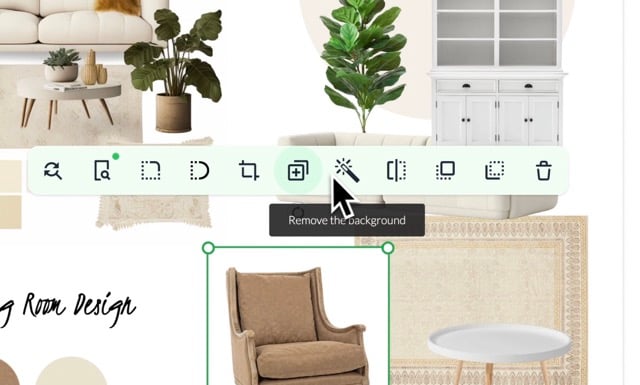
Effortlessly create and customize AI-powered mood boards for any creative vision.
Key Features
Shared design workspace
Version history and branching let teams experiment without risking production assets. Integrations with Plugin/Integrati
Automation-first workflows
Trigger-based flows keep work moving without extra check-ins. MoodBoardly focuses on automation; test it on one repetiti
Rate this Tool
About MoodBoardly
“Effortlessly create and customize AI-powered mood boards for any creative vision.”
MoodBoardly Snapshot
Key facts we track so you can judge fit before visiting the provider.
- Primary category
- Design
- Best fit
- Graphic Designers, Content Creators, Entrepreneurs +2 more
- Platforms
- Web App
- Pricing signal
- Freemium - Paid from $39 / month
- Provider context
- MoodBoardly - US
- Known integrations
- Plugin/Integration
- Data handling
- Global hosting, Privacy policy linked
- Evidence signals
- 28K monthly visits, 4.0 rating from 1 ratings, 2 community favorites +1 more
Before you choose MoodBoardly
- Confirm MoodBoardly's current limits, renewal terms, and seat pricing on the official site.
- Review privacy, retention, and data-processing terms before using sensitive data.
- Test the integrations or API path against one real workflow before rollout.
- Make sure the supported platform matches where your team actually works.
Listing data is compiled from structured provider information, public signals, submissions, and periodic checks where available. Treat this page as a shortlist aid, then verify pricing, compliance, and product limits with the provider before making a business-critical decision.
How MoodBoardly Works
Understanding the core functionality and approach of MoodBoardly.
MoodBoardly streamlines visual design workflows—from wireframes and mockups to production-ready assets. Design teams collaborate in real time with shared canvases and component libraries. MoodBoardly is built for Web App users.
Key Features
Explore what makes MoodBoardly stand out.
Shared design workspace
Version history and branching let teams experiment without risking production assets. Integrations with Plugin/Integration keep MoodBoardly connected to your workflow.
Automation-first workflows
Trigger-based flows keep work moving without extra check-ins. MoodBoardly focuses on automation; test it on one repetitive workflow before moving critical work into it.
Use Cases
Discover how different audiences leverage MoodBoardly.
Automate repeatable work
Bots, rules, and triggers ensure nothing gets stuck in manual queues.
FAQ about MoodBoardly
What is MoodBoardly and what does it do?
How much does MoodBoardly cost?
Is MoodBoardly secure and compliant with data privacy regulations?
What platforms does MoodBoardly support?
How can I try MoodBoardly before purchasing?
What file formats does MoodBoardly support?
Who develops and maintains MoodBoardly?
How do I get access to MoodBoardly?
What deployment options does MoodBoardly offer?
Who is MoodBoardly best suited for?
Related AI News & Insights
Stay updated with the latest news and insights about MoodBoardly and the AI industry.
Canva Launches Craft: Its First In-House AI Image Generation Model Trained on Design Templates
Recursive's Flint: An AI-Built Coding Model Designed for Local Hardware and Top Benchmarks
Anthropic's Claude Designs Protein Binders for Scorpion Neurotoxins, Releasing Data as Open Resource
Compare Similar Tools
See how MoodBoardly stacks up against similar alternatives in the market.


Keep MoodBoardly's listing accurate
Providers can update product facts, pricing context, screenshots, and launch notes. Paid placements are labeled separately and do not replace editorial or data-quality review.
How to Evaluate MoodBoardly
Compare MoodBoardly with RoomGPT, Interior AI, Midjourney and other alternatives before you decide. The goal is not to pick the most popular product; it is to find the tool that fits your actual workflow, risk level, and budget.
- Step 1Test MoodBoardly with one real workflow before moving important work into it.
- Step 2Model the full monthly cost at your expected usage, including seats, limits, and overages.
- Step 3Verify the integration path with your existing stack before you commit.
- Step 4Review privacy, retention, and compliance terms before using sensitive data.
For broader context, browse more design tools for graphic designers, or compare this page against the category hub. New to AI tool evaluation? Start with AI Tool Navigator.
Share MoodBoardly
Help others discover MoodBoardly by sharing it on your favorite platforms.
Report an Issue
Found incorrect information or have concerns about MoodBoardly? Let us know.
Need a tool shortlist for a real business use case?
Get a structured 3-5 tool recommendation, pricing comparison, and implementation roadmap for your team.