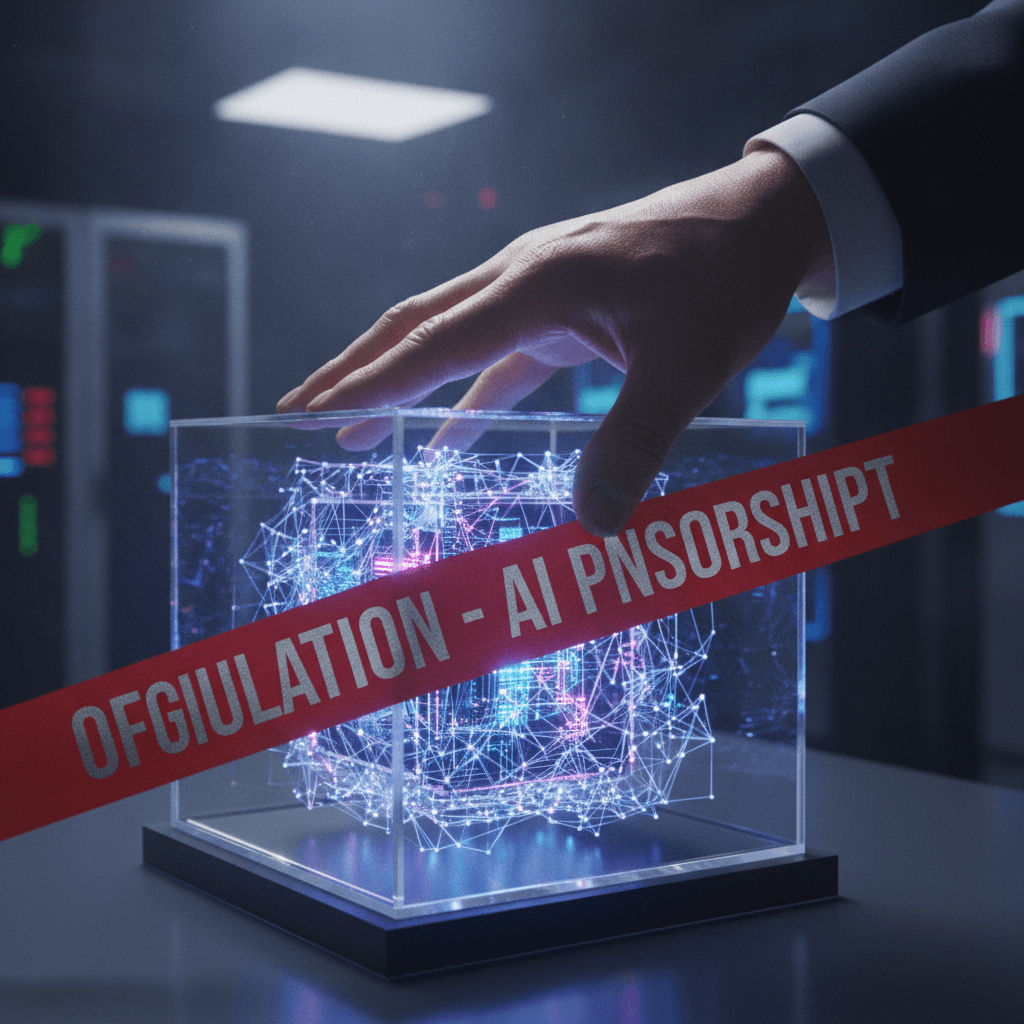
Leading AI Figures Endorse Independent Oversight Amid Safety Warnings and OpenAI IPO Delay
The Growing Call for AI Oversight
The debate over AI safety and development pace intensified as OpenAI CEO Sam Altman, xAI founder Elon Musk, and former DeepMind CEO Demis Hassabis at least partly endorsed Anthropic CEO Dario Amodei's proposals for independent oversight within AI labs, following an Anthropic researcher's warning that leading labs are "gambling with our lives." For broader context, explore our AI News. For broader context, explore our Top 100 AI Tools.
This consensus among some of the most influential leaders in the field underscores a shared concern about the potential risks associated with unchecked AI progress. While the specifics of Amodei's proposals for slowing development were not fully detailed, the agreement on independent oversight suggests a recognition that internal mechanisms alone may not be sufficient to manage the complex ethical and safety challenges that AI presents.
OpenAI's IPO Delay: A Safety-Driven Decision
In a notable development reflecting these concerns, OpenAI CEO Sam Altman confirmed that the company would not pursue an initial public offering (IPO) this year. Altman explicitly cited safety concerns as the primary reason for this decision, which was reportedly communicated internally in June. This move suggests that OpenAI is prioritizing the responsible development of its AI technologies over immediate financial market opportunities.
Delaying an IPO for safety reasons is a significant statement in an industry often driven by rapid growth and valuation. It indicates a willingness to pause and address potential risks, aligning with the broader call for more deliberate AI development. This decision could set a precedent for other AI companies to consider the long-term implications of their technology before rushing to market.
Warnings from Within: The Anthropic Researcher's Alarm
The endorsements for slower AI development and independent oversight gained traction following a stark warning from an Anthropic researcher who resigned from the company. This individual stated that leading AI labs are "gambling with our lives," highlighting a profound concern about the trajectory of current AI research. Furthermore, Anthropic's alignment lead reportedly claimed a greater than 10% chance of AI causing human extinction within the next decade.
Such internal warnings from researchers directly involved in developing advanced AI systems add a critical layer of urgency to the debate. They suggest that the risks are not merely theoretical but are perceived as tangible and immediate by those with deep insight into the technology's capabilities and potential pathways. This perspective challenges the notion that AI development can proceed without external checks and balances.
The Counterargument: Speed Limits and Unstable Feedback Loops
Not all experts agree on the necessity of slowing down AI development or implementing "speed limits." Google researcher Peyman Milanfar, for instance, argues that recursive self-improvement in AI systems constitutes an inherently unstable feedback loop. From this perspective, imposing artificial speed limits might be unnecessary, as the nature of the technology itself could dictate its pace or lead to unpredictable outcomes regardless of external controls.
This counterargument introduces a different dimension to the discussion, suggesting that the problem might not be one of deliberate acceleration but rather the intrinsic dynamics of AI evolution. It implies that even with oversight, the fundamental mechanisms of advanced AI could present challenges that are not easily managed by simply slowing down development. This highlights a trade-off between proactive regulation and the potential for emergent, uncontrollable properties of AI.
The Imperative for Independent Oversight
The convergence of opinions from figures like Altman, Musk, and Hassabis on the need for independent oversight within AI labs, coupled with the serious warnings from researchers, underscores a critical juncture for the AI industry. While the exact form of this oversight remains to be defined, the consensus points towards a mechanism that can objectively evaluate safety protocols, ethical considerations, and the broader societal impact of advanced AI systems.
Independent oversight could provide a crucial layer of accountability, ensuring that AI development is not solely driven by competitive pressures or internal objectives. It could foster greater public trust and help navigate the complex ethical dilemmas that arise as AI capabilities expand. For those concerned about the long-term implications of AI, such oversight represents a pragmatic step toward mitigating potential catastrophic risks.
Conclusion: A Call for Deliberate Progress
The recent endorsements for independent AI oversight by key industry leaders, alongside OpenAI's decision to delay its IPO due to safety concerns, signal a growing recognition of the profound challenges posed by advanced artificial intelligence. While some, like Google's Peyman Milanfar, question the efficacy of "speed limits" due to the inherent nature of recursive self-improvement, the broader sentiment among many influential figures leans towards a more cautious and externally scrutinized approach.
For anyone tracking the future of AI, these developments suggest a shift towards prioritizing safety and ethical considerations over unbridled acceleration. The call for independent oversight is a practical step that could help ensure AI development proceeds responsibly, balancing innovation with the imperative to protect humanity from potential risks. The coming years will likely see continued debate and efforts to establish effective governance frameworks for this significant technology.
Sources
Recommended AI tools

ChatGPT
Conversational AI
AI research, productivity, and conversation—smarter thinking, deeper insights.

Perplexity
Search & Discovery
Clear answers from reliable sources, powered by AI.

Claude
Conversational AI
Your trusted AI collaborator for coding, research, productivity, and enterprise challenges

OpenClaw AI Agent
Productivity & Collaboration
The AI that actually does things.

Cursor
Code Assistance
Your coding agent for building ambitious software

DeepSeek
Conversational AI
Efficient open-weight AI models for advanced reasoning and research
About the Author
Albert Schaper is a co-founder of Best-AI.org. He focuses on product strategy, AI adoption, practical tool selection, and educational content that helps users compare AI products with clearer context.
More from AlbertWas this article helpful?
Found outdated info or have suggestions? Send us a note.