Best Hubtype Alternatives (2026) – Compare Similar AI Chatbots
Discover top alternatives to Hubtype in Conversational AI.
Alternatives List

1. Intercom
Conversational AI, Productivity & Collaboration
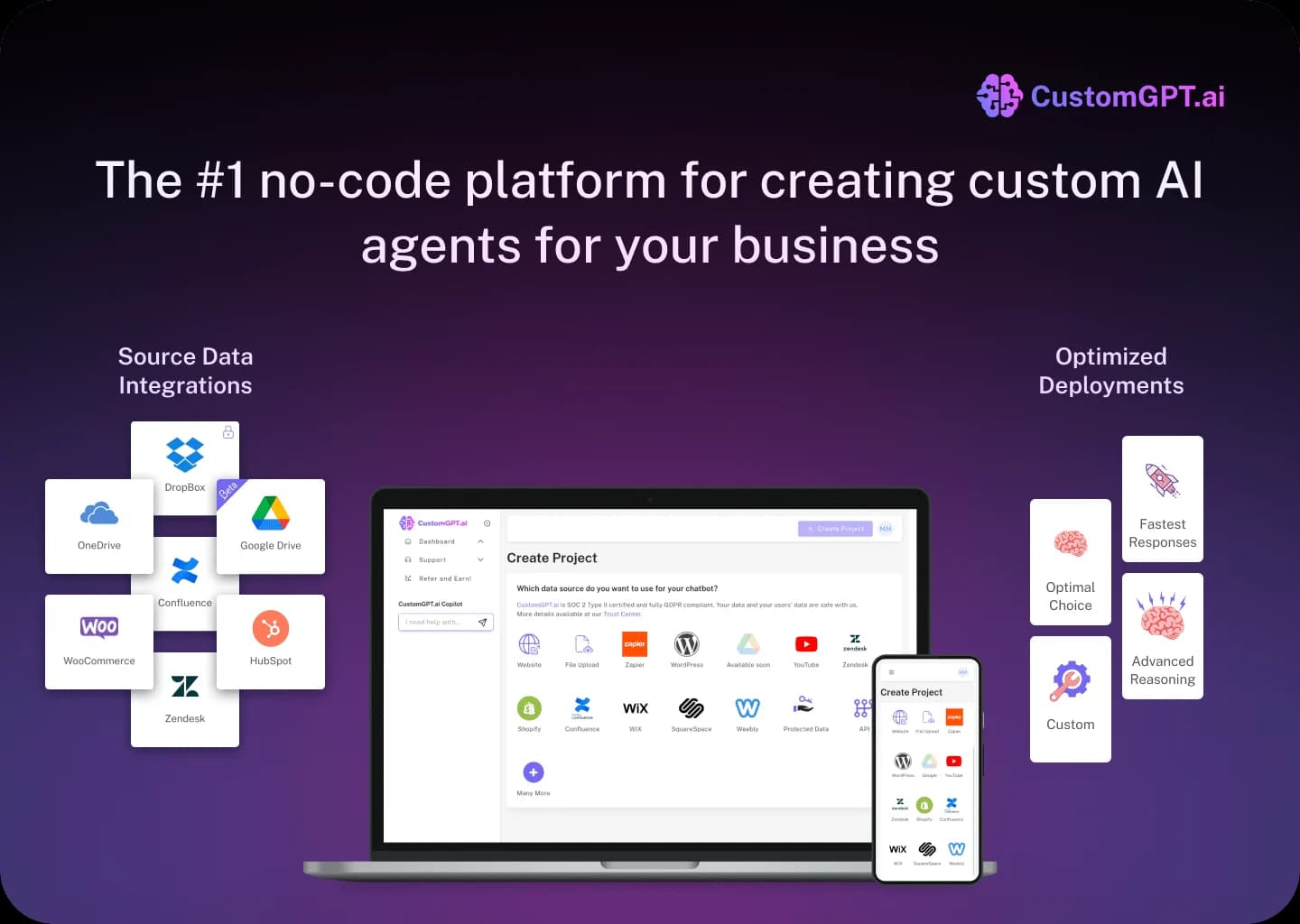
2. CustomGPT.ai
Conversational AI, Productivity & Collaboration

3. tawk.to Hired Chat Agents
Conversational AI, Productivity & Collaboration

4. HIX.AI
Writing & Translation, Conversational AI
5. Meta AI
Conversational AI, Image Generation
6. YesChat.ai
Conversational AI, Image Generation
7. Browse AI
Conversational AI, Data Analytics
8. ChatGPT
Conversational AI, Productivity & Collaboration

9. AutoGPT
Productivity & Collaboration, Conversational AI

10. Genspark
Productivity & Collaboration, Conversational AI

11. Hugging Face
Scientific Research, Code Assistance
12. Manus AI
Productivity & Collaboration, Conversational AI
13. LibreChat
Conversational AI, Productivity & Collaboration
14. DeepAI
Image Generation, Video Generation
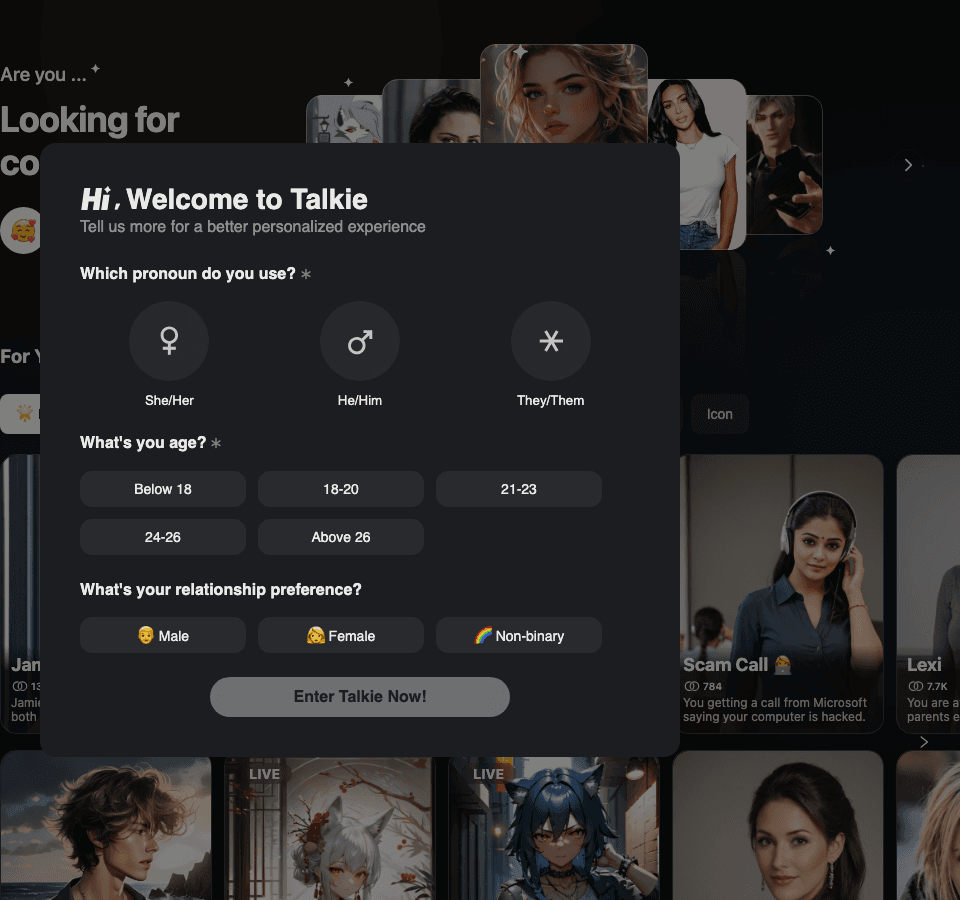
15. Talkie
Conversational AI
Quick Compare
How to Choose the Right Alternative
15 alternatives evaluated for Hubtype — based on feature parity, user ratings, and ecosystem fit.
Why Teams Switch from Hubtype
Based on user feedback analysis
Pricing & Value
Many users explore alternatives to Hubtype seeking better pricing models or more features per dollar.
Feature Requirements
Specific feature needs or workflow compatibility drive teams to evaluate other Conversational AI tools.
Integration Ecosystem
Platform compatibility, API quality, and existing stack integration are critical decision factors.
Support & Reliability
SLA guarantees, response times, and uptime track records influence enterprise decisions.
Evaluation Checklist
- Feature Coverage
- Total Cost (incl. hidden fees)
- Integration Depth
- Compliance & Security
Use Case Recommendations
Match your requirements to the right alternative
For budget-conscious teams
Intercom — competitive pricing with essential features
For enterprise deployments
CustomGPT.ai — advanced security and compliance certifications
For rapid prototyping
tawk.to Hired Chat Agents — quick setup and intuitive interface
For specific integration needs
HIX.AI — broad ecosystem support
Explore More
Browse the full Conversational AI directory or Deepen your AI knowledge.
Migration Planning Guide
If you decide to migrate from Hubtype, proper planning ensures a smooth transition. Here's what to consider:
Pre-Migration Checklist
- •Data export capabilities and format compatibility
- •API completeness for programmatic migration
- •Onboarding support and documentation quality
Migration Best Practices
- •Potential downtime during transition
- •Team training requirements and learning curve
- •Cost implications of switching (setup, migration, potential overlap)
Migration Strategy: Start with a pilot project using a small dataset or non-critical workflow. Test data export/import, verify API compatibility, and measure performance. Once validated, plan a phased rollout to minimize disruption. Many alternatives offer migration assistance—take advantage of vendor support and documentation.
Frequently Asked Questions
What are the best alternatives to Hubtype in 2026?
Top alternatives to Hubtype include Intercom, CustomGPT.ai, tawk.to Hired Chat Agents, HIX.AI, Meta AI, and more. Each offers unique strengths in Conversational AI—compare features, pricing, and integrations to find your best fit.
How do I choose the best alternative to Hubtype?
Start with your must‑have features and workflows. Check integration coverage (APIs, webhooks, SSO), privacy/compliance certifications (GDPR, SOC 2), and data handling policies. Run a pilot with 2–3 candidates against real tasks to validate usability, output quality, and latency before committing.
How should I compare pricing across Hubtype alternatives?
Normalize pricing to your actual usage: count seats, API calls, storage, compute limits, and potential overages. Factor in hidden costs like setup fees, migration support, training, premium support tiers, and data retention policies. Review rate limits and fair‑use clauses to avoid surprises at scale.
Are there free alternatives to Hubtype?
Yes—many alternatives offer free tiers or extended trials. Carefully review limits: API quotas, throughput caps, export restrictions, feature gating, watermarks, and data retention. Ensure the free tier matches your real workload and provides clear, fair upgrade paths without lock‑in.
What should I look for when switching from Hubtype?
Prioritize migration ease: data export completeness, API parity, bulk import tools, and onboarding support quality. Verify that integrations, SSO, and admin controls match or exceed your current setup. Check vendor lock‑in risks and contractual exit clauses before committing.
How do Hubtype alternatives compare in terms of features?
Feature parity varies significantly. Use our detailed comparison tables to evaluate core capabilities, integration breadth, API quality, collaboration tools, admin/security controls, and roadmap transparency. Focus on must‑haves vs. nice‑to‑haves specific to your Conversational AI workflows.