UN AI for Good Summit 2026: Amazon CTO Werner Vogels' Keynote Disrupted Amidst Protests Over AI Deployment in Conflict Zones
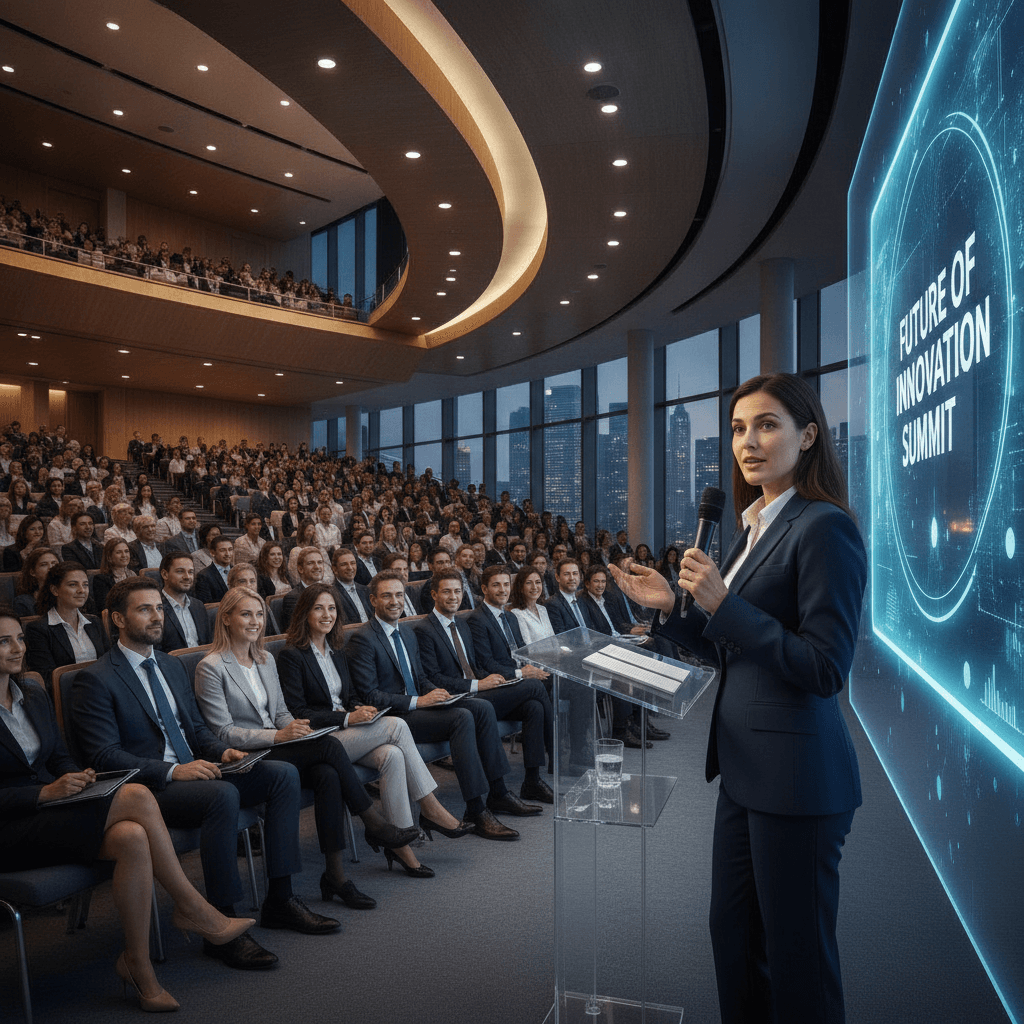
The United Nations' 10th annual AI for Good summit in Geneva, July 2026, addressed global AI governance and the digital divide, but was notably marked by pro-Palestine protesters disrupting Amazon CTO Werner Vogels' keynote over accusations of the company's technology being used by Israel. For broader context, explore our AI News. For broader context, explore our Top 100 AI Tools.
Addressing the Global AI Divide and Compute Access
A central concern throughout the Geneva summit was the growing disparity in AI capabilities between technologically advanced nations and the Global South. Experts highlighted that access to computational power, or "compute," has evolved beyond a mere technological challenge to become a fundamental development infrastructure problem. This shift necessitates a re-evaluation of how AI resources are distributed and made accessible worldwide.
Speakers at the summit emphasized the urgent need for solutions that cater to regions with limited resources. This includes advocating for the development of smaller, local-language AI models that can operate efficiently on more affordable hardware. Such an approach aims to democratize AI access and prevent billions of people outside the US-China-Europe axis from being left behind as export controls on advanced AI technology tighten.
From Ethics to Enforceable Technical Standards
The discussions at the AI for Good summit signaled a move away from abstract ethical debates towards a focus on concrete, enforceable technical standards for AI. Many participants called for "middleware" solutions and robust engineering requirements, rather than what some termed "governance theater." This shift reflects a desire for practical frameworks that can ensure responsible AI deployment and mitigate potential harms.
The International Telecommunication Union (ITU), alongside organizations like IEEE and IEC, plays a crucial role in developing these technical standards. The emphasis is on creating guidelines that are not only ethical but also technically feasible and auditable, ensuring that AI systems are built and deployed with accountability.
Scrutiny on Big Tech's Role in Public Sector AI
The protest against Amazon's Werner Vogels also brought to light the broader issue of the public sector's increasing reliance on major technology companies for AI solutions. Access Now's humanitarian officer voiced concerns about the opacity of "multimillion-dollar deals" between public entities and big tech, suggesting a lack of transparency and accountability in these partnerships. This highlights the need for greater oversight and clearer contractual terms when governments and international bodies engage with private AI providers, especially when their technologies might be deployed in sensitive or conflict-affected regions.
Why This Matters Now
The events at the UN AI for Good Summit 2026 underscore the complex interplay between technological advancement, global governance, and geopolitical realities. The disruption of a major tech executive's speech serves as a stark reminder that the deployment of AI is no longer a purely technical discussion but one deeply intertwined with human rights, international relations, and social justice. For organizations and policymakers, this means moving beyond theoretical discussions of AI ethics to implement concrete, enforceable standards and ensure equitable access to AI's benefits globally.
Key Takeaways
- Protests at the UN AI for Good Summit highlighted scrutiny over Western tech companies' AI deployment in conflict zones.
- The summit emphasized the widening digital divide and the need for accessible AI compute infrastructure in the Global South.
- Experts called for enforceable technical standards for AI, moving beyond abstract ethical discussions.
- There's a growing demand for smaller, local-language AI models that run on cheaper hardware.
- Concerns were raised about the public sector's overreliance on big tech for opaque AI deals.
Sources
- MediaKit/speaking.md at main · chinasatokolo/MediaKit · GitHub
- Sam Altman at AI for Good Global Summit Day 1 - Community - OpenAI Developer Community
- https://www.wired.com/story/robot-dogs-teslas-and-rescue-helicopters-the-un-ai-summit-was-alot/
- https://www.wired.com/story/united-nations-artificial-intelligence-report/
Recommended AI tools

Perfect Corp.
Image Generation
Beautiful AI for Beauty, Fashion, and Digital Innovation

SpoiledChild
Marketing Automation
Intelligent skincare and haircare that fights aging

GVA NDA Check
Conversational AI
Efficient NDA Review with AI

Manatal
Productivity & Collaboration
Your All-in-One Recruitment Software

Vatis Tech
Productivity & Collaboration
Empowering businesses with AI solutions

mnml.ai
Image Generation
The AI studio for architectural design and visualization
Was this article helpful?
Found outdated info or have suggestions? Send us a note.