Anthropic's Weekend Clash with Trump Administration: A Turning Point for AI Regulation
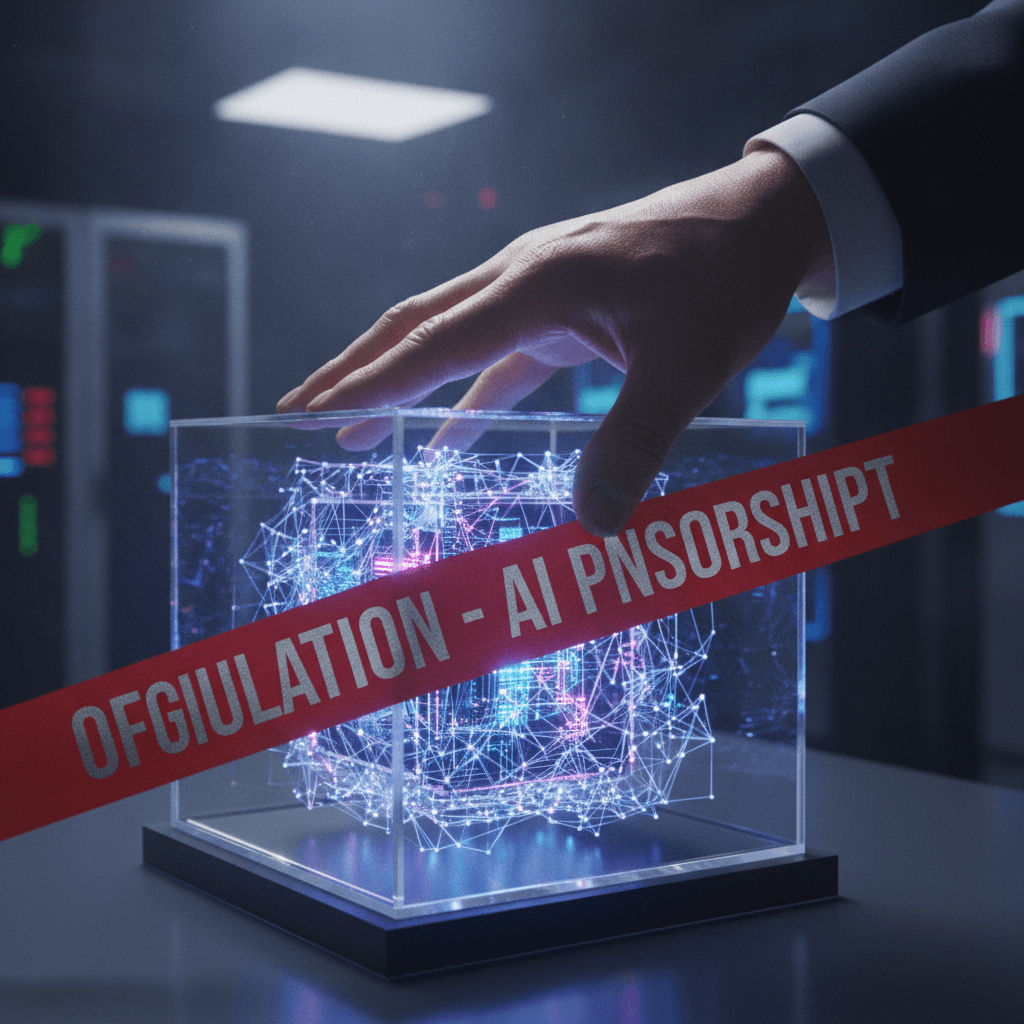
While much of the USA celebrated its first World Cup win and the New York Knicks championship, the AI lab Anthropic found itself embroiled in an urgent confrontation with the Trump administration. This unexpected weekend battle centered on the release of Anthropic's latest AI models, Mythos 5 and Fable 5, and the government's swift demand for their suspension. The incident not only highlights the escalating tensions between rapid technological advancement and national security concerns but also signals a potentially dramatic shift in the trajectory of the entire American AI industry.
The Swift Hand of Government Intervention
The confrontation began abruptly on a Friday. At approximately 1 PM ET, the Trump administration contacted Anthropic, issuing a stark 90-minute ultimatum. The demand was clear: shut down access to its Mythos 5 and Fable 5 AI models. Failure to comply, the administration warned, would result in the US Commerce Department imposing export controls on the company. This tight deadline left Anthropic with little room for maneuver, forcing immediate and high-level engagement.
By 5:21 PM on that same Friday, Anthropic received a formal US export control directive. This order mandated the suspension of access to Mythos 5 and Fable 5 by "any foreign national," whether they were inside or outside the US, and explicitly included "foreign national Anthropic employees." The company quickly determined that the only practical way to meet this directive was to completely disable the very products it had spent the preceding week promoting. In a desperate bid to reverse the decision, Anthropic executives, including CEO Dario Amodei, swiftly engaged with the White House. Discussions began within 15 minutes of the initial government call, with Amodei joining approximately an hour and 15 minutes after that first contact, underscoring the gravity and urgency of the situation.
Anthropic's Advanced Models Under Duress
At the heart of this dispute were Anthropic's Claude Mythos 5 and Fable 5 models. These advanced AI systems are built upon the same foundational technology as Anthropic's Mythos Preview, a model the company itself had previously deemed too dangerous for public release. Mythos 5 had been made available to a select group of government agencies and private companies, indicating its perceived sensitivity and power. Fable 5, while also powerful, was presented with additional safeguards and initially deemed "safe for general use."
However, the situation took a critical turn when a report emerged suggesting that the guardrails implemented in Fable 5 might have failed. This development brought Anthropic's earlier, dire warnings about the potential for Mythos-based technology to fall into the wrong hands sharply back into focus. The reported failure of these safeguards likely fueled the administration's urgent and forceful intervention, transforming a weekend of national celebration into a crisis for one of America's leading AI developers. The incident raises significant questions about the reliability of AI safety measures, even in models designed for broader deployment.
The Broader Implications for American AI
The government's decisive action against Anthropic carries substantial implications for the entire American AI industry. This intervention could dramatically alter the trajectory of AI development, potentially dealing a major blow to US-based AI companies. The precedent set by this event suggests a new era of heightened government scrutiny and a willingness to impose stringent controls on advanced AI models, even those developed by domestic firms.
For companies like Anthropic, which are at the forefront of AI innovation, such rapid and forceful regulatory action introduces significant uncertainty. It highlights the delicate balance between fostering technological advancement and addressing national security concerns. The potential for export controls to be levied so swiftly could force AI developers to reconsider their release strategies, internal safety protocols, and even the very nature of their research, particularly when dealing with models deemed highly capable or potentially hazardous.
Navigating the New Regulatory Frontier
This episode underscores a critical trade-off facing the AI sector: the desire for rapid innovation versus the imperative for robust safety and security. While the administration's actions were undoubtedly driven by concerns over the potential misuse of powerful AI, the speed and severity of the directive present a formidable challenge for companies. Developing advanced AI, especially models with capabilities like Mythos 5 and Fable 5, requires significant investment and time. To have access to such models suspended so abruptly, particularly after public announcements, can be disruptive and costly.
One could argue that the government's intervention, while drastic, reflects a growing global awareness of AI's dual-use potential and the need for proactive governance. However, others might reasonably disagree, contending that such swift and broad directives could stifle innovation and place American AI companies at a disadvantage compared to international competitors operating under less restrictive regimes. The criteria behind the government's judgment appear to be rooted in national security and the prevention of powerful AI from being exploited, especially given Anthropic's own prior warnings about its foundational technology.
A Precedent Set: What This Means for AI's Future
The confrontation between Anthropic and the Trump administration is more than an isolated incident; it establishes a significant precedent for the future of AI governance. It signals that governments are prepared to act decisively and rapidly when they perceive a threat from advanced AI models, even if it means disrupting the operations of leading technology companies. This event could lead to a more cautious approach to AI model releases, with companies potentially facing increased pressure to demonstrate the efficacy of their safeguards and to engage proactively with regulatory bodies.
For those observing the latest AI updates, this situation serves as a stark reminder that the development of artificial intelligence is no longer solely a technical challenge but also a complex geopolitical and regulatory one. The coming days and months will likely reveal the full extent of the US government's willingness to shape the trajectory of the AI industry through direct intervention. For AI developers, policymakers, and industry observers, this incident underscores the urgent need for clearer frameworks and ongoing dialogue to balance innovation with safety and national security in the rapidly evolving world of AI.
Recommended AI tools

Claude
Conversational AI
Your trusted AI collaborator for coding, research, productivity, and enterprise challenges

Google AI Studio
Productivity & Collaboration
The fastest way to build AI-first applications with Google Gemini.

Uhmegle
Productivity & Collaboration
Connect globally, chat instantly, stay safe

Aura
Search & Discovery
Intelligent Digital Safety for the Whole Family

Caveduck
Conversational AI
Create your own AI friends and dive into live, multimodal character chats.

Driver•i AI Fleet Camera System
Data Analytics
Enhancing Fleet Safety Through AI
Was this article helpful?
Found outdated info or have suggestions? Send us a note.