AI Digital Twins: Revolutionizing Diabetes and Obesity Management
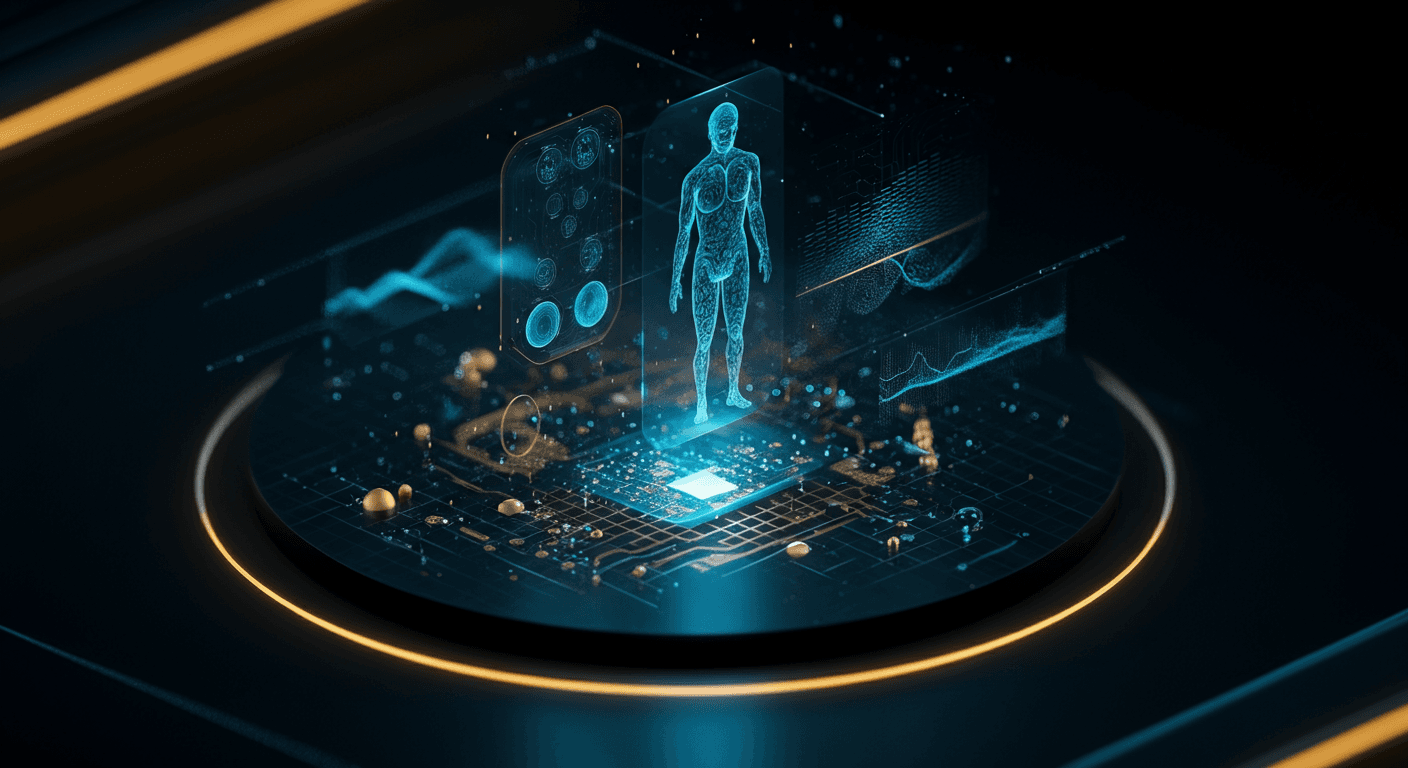
Harnessing the power of AI, digital twins offer a revolutionary approach to managing chronic conditions like diabetes and obesity.
The Evolution of Digital Twins
AI-powered digital twins are more than just static representations. They evolve. These virtual replicas use real-time data to mirror a patient's health status. Think of it as a sophisticated SimCity, but for your body.- Continuous data streams fuel their predictive capabilities.
- This involves wearable sensors, medical records, and lifestyle information.
- The goal: personalized insights previously unimaginable.
Personalized, Proactive Healthcare
Digital twins promise a shift from reactive to proactive care. They analyze vast datasets to predict health risks.Traditional methods often fall short in addressing the complexities of diabetes and obesity.
However, digital twins identify subtle patterns to facilitate timely interventions.
Overcoming Traditional Limitations
Traditional methods often rely on infrequent check-ups. Furthermore, they offer generalized advice.- Digital twins, through continuous monitoring, track glucose levels, activity, and dietary habits.
- AI algorithms forecast potential complications, like hypoglycemic episodes.
- These insights lead to tailored strategies, including medication adjustments.
Ethics and Privacy
While promising, digital twins raise ethical concerns. Data privacy is paramount. Patient consent and secure data handling protocols are essential. Explore our AI News section to learn more about the ethical implications of AI.In conclusion, AI-powered digital twins are poised to transform healthcare, providing personalized and proactive management of conditions like diabetes and obesity, but responsible implementation is crucial. Explore our Learn AI section for more on AI fundamentals.
It is estimated that over 537 million adults worldwide are living with diabetes.
How AI Digital Twins Work
AI digital twins are revolutionary virtual models. They are created using real-world data from individuals with diabetes. This data includes:
- Glucose levels
- Dietary habits
- Physical activity
- Genetic information
The Role of Machine Learning
Machine learning algorithms play a crucial role. They analyze the data within the digital twin to:
- Predict blood sugar fluctuations
- Identify potential health complications
- Offer tailored insights for individual patients
Personalized Recommendations
Digital twins empower personalized care.
Digital twins are used to recommend optimal insulin dosages.
These recommendations consider individual responses to medication, diet, and exercise. Furthermore, dietary adjustments can be suggested based on predicted blood sugar responses, allowing patients to make informed choices.
Successful Implementations
Successful digital twin implementations have demonstrated:
- Improved patient outcomes
- Better blood sugar control
- Reduced risk of complications
Integration Challenges

Integrating AI digital twins into existing systems poses a challenge. Compatibility with existing diabetes management systems and wearable devices is essential. Seamless integration ensures data flows smoothly, maximizing the benefits for both patients and healthcare providers.
AI digital twins are poised to transform diabetes care. They offer a pathway towards personalized and proactive management. Explore our tools for healthcare providers to learn more.
Combatting Obesity with Personalized Digital Twin Insights
Can AI digital twins finally crack the code to sustainable weight loss?
Modeling Individual Metabolism
Digital twins can create a personalized virtual representation of your body. This involves modeling individual metabolism, eating habits, and exercise patterns. For example, the AI Digital Twin concept can be applied to simulate how your body responds to different foods. This allows for precise tracking and adjustments.Analyzing Key Drivers of Weight Gain
AI analyzes these digital twin models to pinpoint key drivers of weight gain. It identifies potential intervention points, such as specific times of day when calorie intake spikes or types of food that cause the most metabolic disruption.“Imagine having a personal AI assistant that understands your body better than you do.”
Simulating Lifestyle Changes
- Diet adjustments
- Exercise routines
- Sleep pattern optimization
Real-World Success Stories
Several studies show digital twins helping individuals achieve sustainable weight loss. These tools offer personalized support and motivation.- One study saw participants losing twice as much weight using digital twin-guided interventions.
- Another showed a significant improvement in metabolic health markers like blood sugar and cholesterol.
Personalized Support and Motivation
Digital twins can provide tailored support and motivation. They adapt to individual needs. AI can send personalized reminders for workouts or healthy meal choices, adjusting difficulty based on progress. Explore our AI tools for health to see more ways AI can improve your well-being.Is your healthcare ready for a radical transformation, driven by data and intelligent systems?
The Rise of AI Digital Twins
AI Digital Twins are virtual replicas of patients. These twins simulate individual health conditions. They are powered by a confluence of technologies.AI Algorithms at the Core
Neural networks analyze complex datasets. Reinforcement learning personalizes treatment strategies. These algorithms help predict disease progression. They also optimize interventions.IoT Devices as Data Feeders
Real-time data is the lifeblood of digital twins.
IoT devices such as continuous glucose monitors collect vital data. Smart scales and fitness trackers also play a crucial role. This constant data stream fuels accurate simulations.
- Continuous Glucose Monitors
- Smart Scales
- Fitness Trackers
Data Integration: A Crucial Link
Seamless data integration is essential. It allows different healthcare systems to communicate. Interoperability ensures a holistic view of patient health.Security and Privacy Challenges
Handling sensitive patient data raises significant concerns. Robust security measures are necessary. Data privacy must be a top priority.Cloud and Edge Computing
Cloud computing provides the necessary processing power. Edge computing enables real-time analysis. Together, they form a powerful deployment strategy.AI, IoT, and data integration are the cornerstones of this health revolution. By addressing challenges like data privacy, we can unlock the full potential of AI digital twins. Explore our AI Tools to learn more.
Is it possible for AI to reflect reality with greater accuracy than ever before? That's the promise of digital twins, but challenges remain in applying this tech to diabetes and obesity management.
Data Bias and Fairness
AI models are only as good as the data they're trained on. This means that data bias can lead to unfair or inaccurate recommendations. For example, if a digital twin is trained primarily on data from one demographic group, it might not be effective for individuals from other groups. It's essential to use diverse and representative datasets to ensure fairness. Building trust in AI: A practical guide to reliable AI software is key to adoption and positive outcomes.Transparency and Explainability
"The black box nature of some AI algorithms can be a barrier to acceptance."
Doctors and patients need to understand how a digital twin arrives at its conclusions. We need to focus on transparency so they know why a specific treatment plan is recommended. Solutions like TracerootAI, the platform offering explainable AI observability, could offer valuable context.
Regulatory Landscape and Guidelines
The use of AI in healthcare is subject to regulatory oversight. Clear guidelines are needed to ensure responsible development and deployment. These guidelines should address data privacy, security, and the potential for misuse. Moreover, businesses need to think about navigating the AI regulation landscape.Building Trust and Acceptance
Strategies are needed to build trust among patients and healthcare professionals. This includes:- Demonstrating the accuracy and reliability of digital twins.
- Involving healthcare professionals in the design and validation of these tools.
- Addressing concerns about data privacy and security.
Mitigating Health Disparities
Digital twins could exacerbate existing health disparities. Without careful design, access might be limited to privileged groups, creating a divide. Mitigation strategies might include prioritizing access for underserved populations and developing models that are sensitive to diverse needs.While AI digital twins hold immense potential for transforming diabetes and obesity management, overcoming these challenges is crucial for realizing its benefits equitably.
Is the future of healthcare written in algorithms? Possibly, especially with AI digital twins.
Future of Healthcare: The Evolution of AI Digital Twins

Digital twins are virtual replicas of real-world entities. They offer incredible potential for personalized and proactive healthcare. Let's explore how AI digital twins are poised to revolutionize the industry.
- Beyond Diabetes and Obesity: Digital twins can predict and prevent chronic diseases.
- Virtual Clinical Trials: These trials using AI Digital Twins could significantly reduce costs and accelerate drug development. Testing new drugs on virtual populations offers ethical advantages.
- Personalized Medicine & Drug Discovery: Tailoring treatments based on individual digital twins offers a new level of precision. It moves away from the "one-size-fits-all" approach.
- Remote Patient Monitoring & Telemedicine: Digital twins enable continuous monitoring and real-time insights for remote patients.
- Global Healthcare Transformation: By democratizing access to specialized medical knowledge, AI digital twins can improve healthcare delivery across the globe.
Is your organization ready to embrace the transformative potential of AI digital twins?
Key Resources and Platforms
Navigating the digital twin landscape starts with finding the right tools.
- Digital Twin Platforms: Explore platforms like Microsoft Azure Digital Twins for robust, scalable solutions. These platforms provide the infrastructure needed to build and manage complex digital twins.
- AI Development Tools: Utilize tools like PyTorch and TensorFlow for developing AI models to power your digital twins. These frameworks allow for creating sophisticated predictive analytics and simulations.
Training and Education
To effectively use and develop AI digital twins, training is essential.
- Online Courses: Platforms like Coursera and Udacity offer courses in AI, machine learning, and digital twin technology. These courses provide theoretical knowledge and practical skills.
- Workshops and Seminars: Attend industry-specific workshops to learn about real-world applications and best practices. These events can provide valuable hands-on experience.
Case Studies and Best Practices
Learn from those who have successfully implemented digital twins.
- Healthcare Case Studies: Research how hospitals are using digital twins to optimize patient care and resource allocation. This may offer insights into how you can integrate digital twins into your practices.
- Industry Best Practices: Implement proven strategies for data integration, model validation, and security protocols. This helps ensure your digital twin projects are successful and secure.
Integrating Digital Twins into Healthcare
Healthcare providers can significantly benefit from AI digital twins.
- Personalized Treatment Plans: Use digital twins to simulate treatment outcomes, allowing for customized and effective patient care. This enhances the precision and efficacy of medical interventions.
- Predictive Diagnostics: Implement digital twins to anticipate potential health issues and intervene proactively. This promotes preventive care and reduces the likelihood of severe conditions.
Funding and Investment
The digital twin healthcare market is attracting significant investment.
- Venture Capital: Keep an eye on investment trends in digital twin technology to identify potential funding opportunities. This will give insight into what investors are seeing and supporting.
- Government Grants: Explore grant programs focused on healthcare innovation and AI-driven solutions. Many governments are offering incentives for technological advancements in healthcare.
Keywords
AI digital twin, diabetes management, obesity treatment, personalized healthcare, predictive healthcare, machine learning in healthcare, IoT healthcare, digital twin technology, virtual patient, remote patient monitoring, AI in diabetes, AI in obesity, personalized medicine, digital therapeutics, AI-driven healthcare
Hashtags
#AIDigitalTwin #DigitalHealth #AIinHealthcare #DiabetesTech #ObesityManagement
Recommended AI tools

Google Gemini
Conversational AI
Your everyday Google AI assistant for creativity, research, and productivity

ChatGPT
Conversational AI
AI research, productivity, and conversation—smarter thinking, deeper insights.

Perplexity
Search & Discovery
Clear answers from reliable sources, powered by AI.

Claude
Conversational AI
Your trusted AI collaborator for coding, research, productivity, and enterprise challenges

OpenClaw AI Agent
Productivity & Collaboration
The AI that actually does things.

Cursor
Code Assistance
Your coding agent for building ambitious software
About the Author

Written by
Dr. William Bobos
Dr. William Bobos (known as 'Dr. Bob') is a contributor focused on practical AI tool analysis, research context, and clear summaries for builders and decision-makers.
More from Dr.Was this article helpful?
Found outdated info or have suggestions? Send us a note.